Dehydration: The Hidden Performance Killer
Editorial
Sudoris Labs

Why is thirst a bad indicator of hydration?
Most people ignore drinking until they feel parched - this approach fails often. Studies point out that your urge to drink might come too late. The signal your body sends when it wants fluid can lag behind actual needs. A source like Mayo Clinic explains how dehydration symptoms start before you notice them. Your body might actually be lacking water before you even feel thirsty.
When workouts get tough in warm weather, fluid loss through sweat often hits 1 liter each hour - sometimes more for those used to heavy exercise. In some cases, experienced individuals can lose close to 3 liters within sixty minutes. Starting off behind happens often when big sweat losses hit early.
What happens to my heart and muscles when I'm dehydrated?
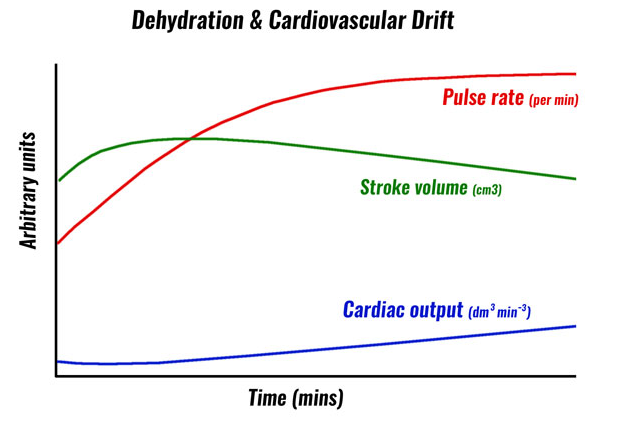
Heavy sweating without drinking more water lowers blood volume fast - this shift triggers serious chain reactions inside the body. When fluid levels fall, stroke volume dips so the heartbeat speeds up sharply. That shift brings what experts name cardiovascular drift, stressing the body heavily. Higher pulse rates appear while performance plummets, tied closely to hydration status.
“Losing just 2% of body weight in fluid can reduce endurance output by up to 25%.”
How does dehydration affect my focus and brain?
Your body runs low on more than just strength when it's drained. Think about this - nearly three fourths of your brain is made up of water, according to science. That changes how we see tiredness. Should fluids dip too low, thinking sharpness fades fast. Pushed hard, folks wrestle focus, react slower, plus recall slips mid-task.
When you're dehydrated, your body treats it like an emergency. Since fluid loss triggers more cortisol - the stress hormone - your system revs up survival mode instead of performance mode. That shift turns regular workouts into something far harder to push through. Effort feels heavier, even if nothing changed in how hard you're actually working.
Is drinking a whole gallon of water right now going to solve it?
Not at all. When you sweat, fluids leave your body along with key minerals such as salt. Drinking too much plain water might lower the sodium in your blood under 135 mmol/L. When that happens, called exercise-linked low sodium, fluid rushes into your cells. Keeping your body's electrical chemistry steady means swapping out fluids along with minerals they carry.
Your Hydration Plan
Most people never notice changes they do not record. Athletes often step on a scale right after workouts - sometimes even before - to see how much water left their bodies. Start strong by making sure your weight drops less than two percent when you work out. Stay clear of gaining any back during that time. Aim to keep hydration steady without tipping the scale upward.
Water alone won't carry you through grueling endurance efforts. Try mixing in carbs and electrolytes when pushing hard for hours at a stretch. That shift helps maintain circulation, keeps mental focus sharper, and supports stronger performance deep into workouts. Your body holds onto fluid better this way. Brain function stays steadier under strain too.
Sources & References
Academic citations referenced in the text are linked directly to their primary clinical or scientific source.